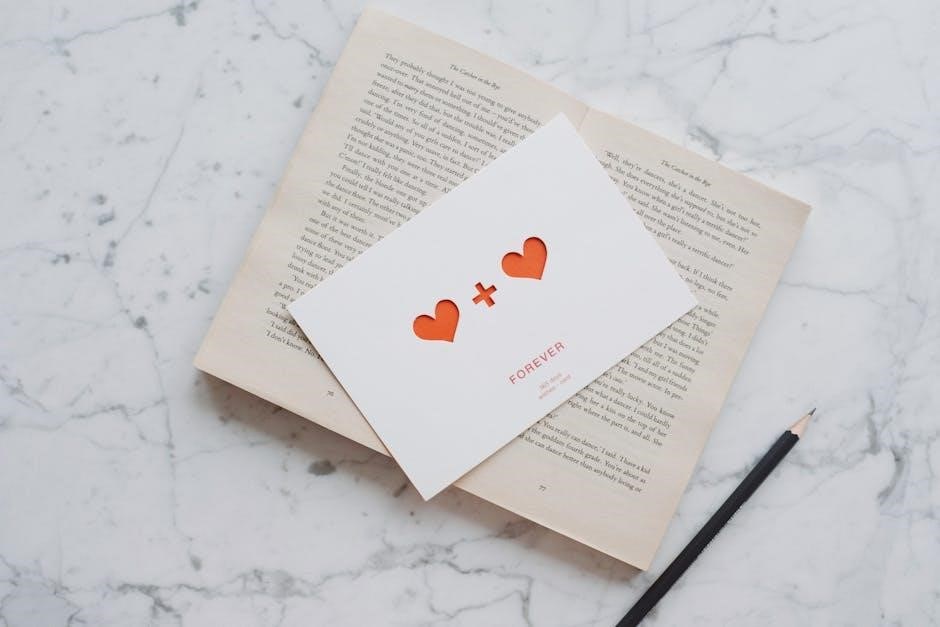
Article Plan: Picture Prompts for Creative Writing PDF
This article details utilizing visual cues—picture prompts—to ignite creativity, focusing on PDF accessibility. It explores resources, types, techniques, and tools for impactful storytelling, alongside troubleshooting common issues.
Picture prompts are a powerful catalyst for unlocking imagination and fostering creative writing skills. They transcend traditional writing exercises, offering a visual starting point that bypasses the initial hurdle of a blank page. Instead of solely relying on abstract ideas, writers engage directly with a concrete image, sparking narratives and character development organically;
These prompts aren’t merely about describing a scene; they’re about interpreting emotions, constructing backstories, and building worlds inspired by visual cues. The beauty lies in their open-ended nature – a single image can yield countless stories, tailored to the writer’s unique perspective. Whether it’s a bustling subway scene, a serene sunset, or an abstract composition, each picture holds a universe of potential. Utilizing PDFs ensures easy access and portability for writers on the go, making inspiration readily available.
What are Picture Prompts?
Picture prompts are visual stimuli – photographs, illustrations, or even abstract images – designed to inspire creative writing. They serve as a springboard for storytelling, offering a defined scene or subject matter to build upon. Unlike traditional prompts that provide a sentence or concept, picture prompts engage the visual cortex, triggering a more immersive and imaginative response.
Essentially, they ask “What story does this image tell?” or “Who are the people in this picture, and what are their lives like?”. The prompts aren’t prescriptive; they encourage interpretation and personal connection. They can range from everyday scenes – a subway platform, a sunset by the water – to more surreal or abstract compositions. Presented in PDF format, these prompts become easily shareable, printable, and accessible for writers of all levels, fostering a dynamic and visually-driven writing experience.
Benefits of Using Picture Prompts
Picture prompts unlock creativity by bypassing the initial hurdle of “what to write about.” They’re particularly beneficial for overcoming writer’s block, offering a concrete starting point instead of a blank page. Visual cues stimulate imagination, encouraging writers to explore character development, setting details, and plot possibilities they might not have considered otherwise.
Furthermore, picture prompts enhance observational skills and descriptive writing. Analyzing an image requires attention to detail – colors, textures, expressions – which translates into richer, more vivid prose. They’re excellent for practicing different writing styles and genres, from realistic fiction inspired by everyday scenes to fantastical tales sparked by surreal imagery. Utilizing PDFs ensures easy access and portability, allowing writers to practice anywhere, anytime, fostering consistent creative output and skill development.
Why PDFs are Ideal for Picture Prompts
PDFs offer unparalleled convenience and accessibility for picture prompts. Their universal compatibility ensures they can be viewed on virtually any device – computers, tablets, smartphones – without formatting issues. This portability allows writers to engage with prompts wherever inspiration strikes, fostering consistent practice. PDFs maintain image quality, crucial for detailed observation and imaginative interpretation.
Moreover, PDFs are easily downloadable and printable, providing offline access and the option for handwritten brainstorming. They’re ideal for creating curated collections of prompts, organized by theme or difficulty. Annotation tools within PDF readers enable direct note-taking and idea mapping onto the image itself, streamlining the creative process. The format’s stability prevents accidental alterations, preserving the original prompt for future use and consistent inspiration.
Finding and Accessing Picture Prompt PDFs
Discover a wealth of picture prompt PDFs through free online resources, paid premium collections, and websites dedicated to creative writing exercises.
Free Online Resources for Picture Prompts
Numerous websites offer complimentary picture prompts in PDF format, ideal for sparking imagination without cost. Many educators and creative writing enthusiasts share collections online, often categorized by theme or genre. Pinterest serves as a visual discovery engine, brimming with boards dedicated to writing prompts featuring evocative images. Websites like The Reading Realm provide downloadable prompts alongside suggestions for accompanying artwork, fostering a holistic creative process.
Additionally, searching for “free picture writing prompts PDF” yields a plethora of results, including printable worksheets and curated lists. These resources frequently include prompts suitable for various age groups and skill levels. Remember to always check the source’s credibility and terms of use before downloading and utilizing any free content. Exploring these avenues unlocks a treasure trove of visual inspiration for writers of all backgrounds.
Paid Resources Offering High-Quality PDFs
While free options abound, investing in paid picture prompt PDFs often unlocks superior quality and curated collections. Platforms like Teachers Pay Teachers host numerous resources created by educators, offering professionally designed prompts with detailed instructions and thematic consistency. These often cater to specific grade levels or writing skills, providing targeted practice.
Creative writing websites and online stores frequently sell prompt bundles, offering a diverse range of images and accompanying story starters. These paid resources typically boast higher resolution images, more extensive prompt variations, and potentially, supplementary materials like character sheets or world-building guides. The investment ensures access to thoughtfully crafted prompts designed to maximize creative output and minimize time spent searching for suitable visuals.
Websites Specializing in Creative Writing Prompts
Numerous websites dedicate themselves to providing creative writing inspiration, many offering downloadable picture prompts, sometimes in PDF format. The Reading Realm, for example, integrates prompts with drawing activities, encouraging a multi-faceted creative approach. Several sites compile daily or weekly prompts, often including visual stimuli alongside textual cues.
Dedicated prompt generators and writing communities frequently feature image-based challenges. Exploring these platforms can uncover unique and engaging prompts, though PDF availability varies. Websites focused on storytelling and fiction writing often curate collections of prompts, some of which are downloadable. Regularly checking these resources ensures a constant stream of fresh ideas and visual inspiration for writers of all levels, fostering consistent practice and imaginative exploration.

Types of Picture Prompts
Picture prompts span diverse categories: people, landscapes, abstract art, and everyday objects. These visuals inspire varied narratives, from character-driven stories to atmospheric scene-setting.
Prompts Featuring People
Prompts showcasing individuals offer rich opportunities for character exploration and narrative development. Consider images depicting people in various emotional states – joy, sorrow, contemplation – and challenge yourself to invent their backstories. A photograph of someone on a subway, for instance, begs the question: where are they going, and what are their hopes and fears?
Explore prompts with people engaged in everyday activities, like lounging around or attending a concert. These scenes provide a foundation for relatable stories. Alternatively, use images of people in unusual or ambiguous situations to spark more fantastical narratives. Focus on body language, facial expressions, and clothing to infer personality traits and motivations.
Don’t limit yourself to realistic depictions; prompts featuring stylized or artistic representations of people can also be incredibly inspiring. The key is to use the image as a springboard for your imagination, allowing the person within the picture to become a catalyst for a compelling story.
Prompts with Landscape and Nature Scenes
Landscape and nature scenes excel at establishing mood and setting, providing a powerful backdrop for storytelling. A sunset by the water, for example, immediately evokes feelings of tranquility or melancholy – use this atmosphere to shape your narrative. Consider prompts featuring vast, open landscapes, dense forests, or dramatic weather conditions.
Challenge yourself to personify the natural world, imbuing landscapes with character and agency. Is the forest ancient and wise, or dark and menacing? Explore how characters interact with their environment, and how the setting influences their actions and emotions.
Prompts can range from realistic depictions of natural beauty to more abstract or surreal interpretations. Think about incorporating elements of folklore or mythology into your stories, drawing inspiration from the symbolism associated with different natural elements. Let the landscape become a character in your tale.
Abstract and Surreal Image Prompts
Abstract and surreal images bypass logical thought, directly stimulating the imagination. These prompts are ideal for unlocking unconventional narratives and exploring the subconscious. Think melting clocks, impossible geometries, or dreamlike color palettes. Don’t focus on what the image represents, but rather how it makes you feel.
Embrace ambiguity and resist the urge to find concrete meaning. Instead, allow the image to evoke a mood, a sensation, or a fragmented memory. These prompts are perfect for experimenting with stream-of-consciousness writing or crafting stories with unreliable narrators.
Consider prompts that blend familiar objects in unexpected ways, creating a sense of disorientation and wonder. Explore themes of identity, perception, and the nature of reality; Let the surreal image be a portal to a world unbound by logic.
Prompts Based on Everyday Objects
The power of everyday objects lies in their familiarity; they ground stories in relatable reality while offering surprising narrative potential. A chipped teacup, a worn-out shoe, or a dusty photograph – these seemingly mundane items hold untold stories waiting to be unearthed. Prompts centered around such objects encourage detailed observation and imaginative backstory creation.
Consider the object’s history: Who owned it? What experiences did it witness? What secrets does it hold? Explore the object’s symbolic meaning. A key might represent opportunity or confinement, while a mirror could symbolize self-reflection or deception.
These prompts excel at character development. Imagine a character deeply connected to a specific object, revealing their personality and past through their interaction with it. Everyday objects offer a subtle yet powerful way to build compelling narratives.
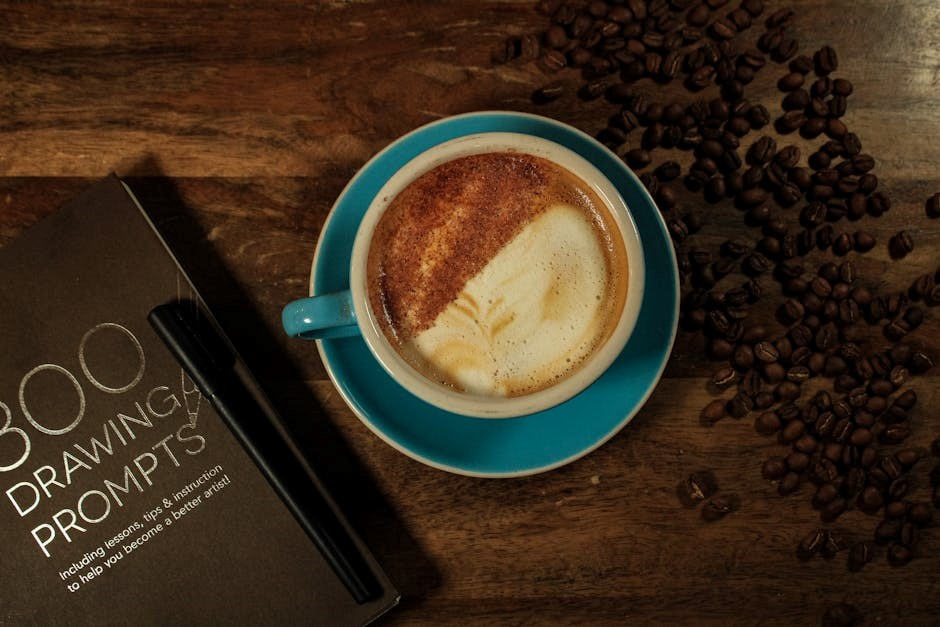
Using Picture Prompts Effectively
Maximize creativity by employing techniques like freewriting, character sketches, and detailed setting descriptions inspired by images, overcoming writer’s block visually.
Techniques for Generating Story Ideas
Brainstorming from a visual source unlocks unique narratives. Begin with freewriting – continuously writing for a set time, without editing, based solely on the image’s impressions. Ask “what if?” questions: What if the person in the photo has a secret? What if the landscape hides a mystery?
Consider the image’s emotional impact. Does it evoke joy, sadness, or suspense? Let that feeling guide your story’s tone. Develop a central conflict hinted at within the picture. Explore multiple perspectives; tell the story from different characters’ viewpoints within the scene.
Don’t limit yourself to literal interpretations. Abstract images encourage surreal or metaphorical storytelling. Combine elements from different prompts for unexpected results. Remember, the image is a springboard – let your imagination soar beyond the initial visual cue!
Character Development Inspired by Images
Picture prompts excel at sparking character creation. Analyze a figure’s posture, clothing, and expression – what do these details reveal about their personality and backstory? Consider their motivations: What are their desires, fears, and secrets? Imagine their internal monologue while observing the scene.
Develop a character arc based on the image’s context. How might this person change or be challenged by the events unfolding? Explore their relationships with others potentially present or implied. Give them flaws and vulnerabilities to make them relatable.
Use the image’s setting to inform their profession, social status, and cultural background. Don’t be afraid to subvert expectations; a seemingly ordinary person could harbor extraordinary qualities. Let the visual cue be a catalyst for a compelling and nuanced character.
Setting and Atmosphere Creation
Picture prompts are invaluable for establishing vivid settings. Beyond the visual elements, consider the implied sensory details: What does the scene sound like? What are the smells, textures, and even tastes associated with this place? Use descriptive language to immerse the reader.

The atmosphere—the emotional tone of the setting—is crucial. Is it ominous, peaceful, chaotic, or melancholic? Lighting, color palettes, and weather conditions within the image heavily influence this. Explore how the setting reflects or contrasts with the characters’ internal states.
Think about the history of the location. What events have transpired there? How does the setting impact the plot and character actions? A well-developed setting isn’t just a backdrop; it’s an active participant in the story.
Overcoming Writer’s Block with Visual Cues
Writer’s block often stems from a lack of initial inspiration. Picture prompts bypass the “blank page” problem, offering an immediate starting point. Instead of searching for an idea, you react to a pre-existing visual stimulus, reducing the cognitive load.
If stuck, try freewriting based on the image – simply write continuously for a set time, without editing. Ask “what if?” questions: What happened before this moment? What will happen next? Who are the people involved, and what are their motivations?
Focus on a single detail within the image. Zoom in mentally and explore its significance. Even seemingly mundane objects can spark compelling narratives. Don’t overthink; let the image guide your imagination and unlock hidden story possibilities.
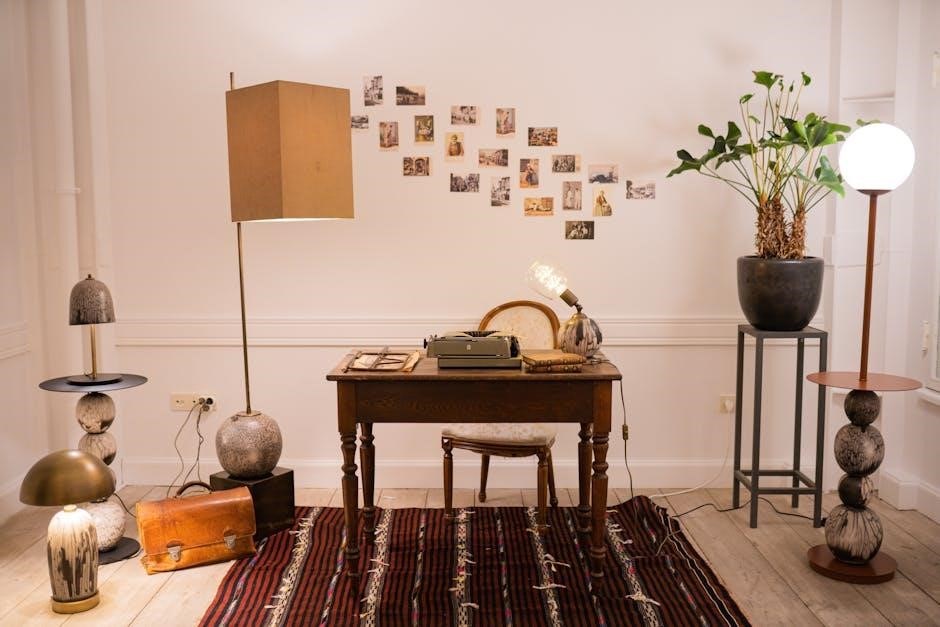
Specific Examples of Picture Prompts & Story Starters
Explore prompts inspired by Taylor Swift’s themes, everyday scenes like subways and sunsets, and images evoking strong emotional responses—catalysts for compelling narratives.
Prompts Inspired by Taylor Swift Themes
Delve into the lyrical world of Taylor Swift with prompts mirroring her signature storytelling. Imagine a photograph depicting a rainy night, reminiscent of “All Too Well,” and craft a narrative about lost love and lingering memories. Consider an image of a crowded party, echoing “22,” and write a story about youthful exuberance and fleeting connections.
A picture of a vintage car could inspire a tale of escaping a small town, mirroring the themes in “cardigan.” Alternatively, a photograph of a grand ballroom might spark a story about societal expectations and hidden desires, akin to those found in “The Last Great American Dynasty.” Explore themes of revenge and reclaiming power with a prompt featuring a defiant pose, channeling the energy of “Look What You Made Me Do.”
Don’t limit yourself to direct parallels; use the feeling of a Swift song – heartbreak, joy, nostalgia – as a springboard for original narratives. These prompts encourage exploration of character, setting, and emotional depth, all while paying homage to a beloved artist.
Prompts Based on Common Everyday Scenes (Subway, Sunset)
Unlock narrative potential within the mundane. A photograph of a bustling subway platform invites stories of fleeting encounters, missed connections, and hidden lives. Imagine the stories of the passengers – where are they going, what are their secrets? A sunset image begs for tales of reflection, endings, and new beginnings. Explore themes of hope, regret, or simply the beauty of a transient moment.
Consider a picture of a coffee shop; craft a story about a chance meeting or a writer seeking inspiration. A laundromat scene could inspire a narrative about community, shared struggles, or unexpected friendships. Even a simple image of a grocery store aisle can become a setting for intrigue, mistaken identity, or a quiet moment of self-discovery.
These prompts emphasize observation and finding the extraordinary within the ordinary, fostering creativity through relatable scenarios.
Prompts Focusing on Emotional Responses to Images
Tap into the power of visceral reaction. These prompts center on images designed to evoke strong feelings – joy, sorrow, fear, or tranquility. A faded photograph of a childhood home might inspire a story about nostalgia, loss, and the passage of time. An image of a stormy sea could trigger narratives of resilience, struggle, and the overwhelming force of nature.
Consider a portrait displaying intense emotion; explore the character’s backstory and the events leading to that expression. A picture of an abandoned building could evoke feelings of loneliness, mystery, and forgotten histories. The goal is to translate emotional resonance into compelling narratives.
Focus on how the image makes you feel, then build a story around that emotional core, prioritizing internal experience and character motivation.
Tools & Software for Working with Picture Prompts
Leverage digital tools! Adobe Creative Cloud, PDF readers with annotation features, and digital storytelling platforms enhance prompt exploration and story development workflows.
Adobe Creative Cloud & Photoshop (Image Editing)
Adobe Creative Cloud is pivotal, now requiring login even for Photoshop’s launch. Photoshop itself, a core component, allows for image manipulation to tailor prompts. Writers can adjust colors, add elements, or create entirely new visuals sparking unique narratives.
Beyond basic editing, Photoshop’s layering capabilities enable complex scene construction. Consider altering a landscape prompt to reflect a character’s emotional state. Creative Cloud’s integration streamlines workflow, offering access to Illustrator and InDesign for polished story presentation.
However, installation issues, like missing DLL files (VCRUNTIME140_1.dll), can occur. The Adobe Creative Cloud Cleaner Tool assists in resolving these, offering comprehensive uninstallation options. While the Cloud app can be uninstalled, core programs like Photoshop remain functional, though features like syncing are lost.
PDF Readers & Annotation Tools

Effective use of picture prompt PDFs necessitates robust readers and annotation tools. Basic PDF viewers allow viewing, but enhanced software unlocks creative potential. Adobe Acrobat Reader DC, a standard, offers highlighting, underlining, and note-adding directly onto the PDF. This facilitates brainstorming and character development linked to specific visual elements.
Beyond Adobe, alternatives like Foxit Reader and PDF-XChange Editor provide similar functionalities, often with lighter system requirements. Annotation features are crucial for dissecting images – marking details inspiring plot points or noting color palettes influencing atmosphere.
Digital storytelling platforms often integrate PDF support, allowing prompts to be incorporated into larger writing projects. Consider using these tools to build a visual mood board alongside your story outline, enhancing the creative process.
Digital Storytelling Platforms
Integrating picture prompts with digital storytelling platforms streamlines the creative workflow. Platforms like Scrivener, designed for long-form writing, allow embedding images directly into project files, serving as constant visual inspiration. Similarly, Campfire Technology offers visual boards for outlining and character development, ideal for prompt-based narratives.
Novel Factory provides dedicated spaces for character sketches and world-building, where prompt images can be linked to specific elements. These platforms often support mood boards, enabling writers to curate a visual atmosphere mirroring the prompt’s tone.
Furthermore, collaborative platforms like Google Docs, when paired with image insertion, facilitate shared brainstorming around picture prompts. Utilizing these tools fosters a dynamic and visually-rich writing experience.
Troubleshooting Common Issues
Addressing technical hurdles ensures a smooth experience. Common problems include Creative Cloud installation failures, DLL errors (like VCRUNTIME140_1.dll), and PDF compatibility issues—requiring specific solutions.
Dealing with Creative Cloud Installation Problems
Encountering issues during Creative Cloud installation is frustrating, but often solvable. The primary requirement now is a functioning Creative Cloud installation to launch Photoshop and other Adobe applications. If Photoshop fails to open post-installation, a missing VCRUNTIME140_1.dll file is a frequent culprit; reinstalling Creative Cloud often resolves this.
Ensure you’re logged into your Adobe account during the Creative Cloud setup – login is mandatory, regardless of subscription status. Utilize the official Adobe Creative Cloud Cleaner Tool if problems persist; it identifies and removes associated Adobe software. Be cautious when using this tool, as it lists numerous uninstallable programs. Selecting ‘1’ automatically detects installed Adobe applications.
Remember, uninstalling Creative Cloud itself won’t affect already installed programs like Photoshop, but it disables synchronization and library access. Adobe strongly advises against uninstalling the desktop application.
Fixing DLL Errors (VCRUNTIME140_1.dll)
The “VCRUNTIME140_1.dll” error signifies a missing or corrupted Visual C++ Redistributable package, crucial for many applications, including Photoshop. This commonly occurs after installing or updating Adobe software. The simplest solution is often reinstalling the Creative Cloud desktop application, as it typically includes the necessary redistributable components.
If reinstalling Creative Cloud doesn’t resolve the issue, manually download and install the latest Visual C++ Redistributable from the official Microsoft website. Ensure you download the version compatible with your system architecture (x86 or x64). A system restart after installation is often required for the changes to take effect.
Sometimes, a corrupted system file can cause this error. Running the System File Checker (SFC) tool can scan and repair damaged system files. Open Command Prompt as administrator and type “sfc /scannow” and press Enter.
Ensuring PDF Compatibility
PDFs offer broad compatibility, but variations exist. To guarantee seamless access to picture prompt PDFs, utilize widely supported PDF versions like PDF 1.7 or later. Adobe Acrobat Reader, a free and ubiquitous PDF viewer, ensures consistent rendering across platforms. When creating PDFs from images, embed all fonts and images to avoid display issues on different systems.
If prompts appear distorted, verify the PDF viewer is up-to-date. Older versions may lack support for newer PDF features. Consider converting the PDF to a different format (like JPG for images) if compatibility remains problematic, though this sacrifices interactive features.
For optimal viewing on mobile devices, ensure the PDF is optimized for mobile viewing within Adobe Acrobat or similar software. This reduces file size and improves readability on smaller screens.