Entryway Rug Size Guide: A Comprehensive Overview (Updated 03/25/2026)
Navigating entryway rug dimensions can be tricky‚ but crucial for style and function! From small 2×3 rugs to grand 8×10 statements‚
finding the perfect fit enhances your home’s first impression and overall flow.
Understanding the Importance of Entryway Rug Size
The entryway is the first glimpse guests receive of your home’s style‚ making rug size paramount. A well-chosen rug doesn’t just add aesthetic appeal; it defines the space‚ creating a welcoming and organized feel. Incorrect sizing can lead to a disjointed look‚ or even safety hazards.
Consider the impact of a rug that’s too small – it can appear lost and insignificant‚ failing to anchor the entryway. Conversely‚ a rug that’s too large might obstruct doorways or walkways. Mats4U USA emphasizes that the rug should be “at least as wide as your door‚ but ideally a little wider‚” ensuring a balanced and inviting entrance.
Beyond aesthetics‚ a properly sized rug contributes to practicality. It protects flooring from dirt and wear‚ especially in high-traffic areas like entryways. Braided-Rugs.com notes that choosing the right size ensures at least 6 inches of floor space around the rug for visual balance and ease of movement.
First Impressions Matter: Why Rug Size is Crucial
Your entryway sets the tone for your entire home‚ and rug size plays a surprisingly significant role in that first impression. A thoughtfully chosen rug communicates attention to detail and a welcoming atmosphere. It’s a visual cue that signals style and comfort to anyone entering your space.
Mats4U USA highlights that getting the “right entryway rug size is the secret to nailing a great first impression.” A rug that’s appropriately scaled to the entryway’s dimensions creates a sense of harmony and balance. Conversely‚ a poorly sized rug can feel awkward or unfinished‚ detracting from the overall aesthetic.
Beyond visual appeal‚ the rug’s size impacts the perceived spaciousness of the entryway. A larger rug can define the area‚ making it feel more intentional and grounded‚ particularly in open-plan layouts. Braided-Rugs.com suggests considering how the rug complements furniture and flow‚ contributing to a cohesive and inviting entrance.
Key Considerations Before Measuring
Before grabbing a tape measure‚ several key factors influence the ideal entryway rug size. Ignoring these can lead to a purchase that doesn’t quite fit or function as intended. Prioritize assessing the level of foot traffic your entryway experiences; high-traffic areas demand durable materials and potentially larger rugs to withstand wear and tear‚ as noted by The Rug Decor.
Crucially‚ consider door swing and walkways. Mats4U USA emphasizes that your rug should be “at least as wide as your door‚ but ideally a little wider.” Ensure the rug doesn’t obstruct door operation or create a tripping hazard in frequently used pathways.
Finally‚ visualize the desired aesthetic. Do you want the rug to fill most of the entryway‚ or leave a visible border of flooring? Planning these elements beforehand streamlines the selection process and guarantees a harmonious result.
Foot Traffic and Durability
Entryways are high-traffic zones‚ demanding rugs built to endure constant use. The frequency of footfalls directly impacts the rug’s lifespan and appearance. Homes with bustling families or frequent guests require rugs crafted from exceptionally durable materials. Braided-Rugs.com highlights the importance of choosing materials that can withstand this daily wear;
Consider rug fibers like polypropylene‚ nylon‚ or wool blends‚ known for their resilience and stain resistance. A denser pile also contributes to longevity‚ minimizing visible wear.
Larger rugs generally distribute wear more evenly than smaller ones‚ potentially extending their usable life in busy entryways. Prioritizing durability ensures your entryway rug remains a welcoming feature for years to come‚ resisting damage from shoes‚ dirt‚ and the elements.
Door Swing and Walkways
Proper rug placement must account for door swing and clear walkways to prevent tripping hazards and ensure smooth traffic flow. Mats4U USA emphasizes that your rug should be “at least as wide as your door‚ but ideally a little wider.” This prevents the door from hitting the rug when opening or closing.
Carefully consider the arc of the door swing; the rug shouldn’t obstruct its full range of motion. Maintain unobstructed walkways around the rug‚ allowing ample space for people to pass comfortably.
Avoid placing a rug directly in front of a frequently used door‚ as this can create a bottleneck. Ensure there’s sufficient space for people to step onto and off the rug without feeling cramped or unstable‚ prioritizing both safety and convenience.
Common Entryway Sizes and Recommended Rug Dimensions
Entryway dimensions dictate rug size; smaller spaces benefit from 2×3 or 3×5 rugs‚ while larger areas accommodate 5×7 or runner rugs (2.5×8).
Small Entryways (Under 4ft Wide)
For entryways measuring less than 4 feet in width‚ maximizing space without sacrificing style is key. A 2×3 rug is often the ideal solution‚ perfectly fitting tight spaces and providing a welcoming touch without overwhelming the area. These smaller rugs are excellent for placing directly inside the door‚ offering a designated spot to wipe feet and prevent tracking dirt further into the home.
Alternatively‚ a 3×5 rug presents a popular choice for slightly larger‚ yet still compact‚ foyers. This size offers a bit more coverage and can help define the entryway zone‚ creating a more visually appealing and functional space. Remember to leave at least 6 inches of flooring visible around the rug’s perimeter to maintain balance and prevent a cramped feeling. Prioritize durable and easy-to-clean materials in these high-traffic zones.
2×3 Rugs: Ideal for Tight Spaces
When space is at a premium‚ a 2×3 rug emerges as the champion of entryway solutions. Perfectly suited for the most compact foyers‚ these rugs deliver a significant impact despite their modest size. They’re exceptionally effective in small areas‚ like those immediately inside a door‚ offering a dedicated landing zone for shoe wiping and dirt containment.
These rugs excel at defining a small entryway without visually shrinking the space. Opt for durable materials capable of withstanding frequent foot traffic. While smaller‚ a 2×3 rug still benefits from a non-slip backing to ensure safety. Consider patterns or colors that complement your décor‚ adding a touch of personality to even the narrowest of entryways. They truly sit perfectly well in a small area!
3×5 Rugs: A Popular Choice for Smaller Foyers
The 3×5 rug strikes a harmonious balance‚ making it a consistently popular selection for smaller foyers and entryways. Offering more coverage than a 2×3‚ it provides ample space for foot traffic while remaining proportionate in more constrained areas. This size is versatile enough to accommodate a small bench or console table‚ creating a functional and welcoming entry point.
A 3×5 rug effectively defines the entryway space without overwhelming it. It’s ideal for catching dirt and debris‚ protecting your flooring from wear and tear. Prioritize durable materials designed to withstand daily use. Remember to leave at least six inches of visible flooring around the rug’s perimeter for a balanced aesthetic. This size suits small foyers wonderfully‚ enhancing both style and practicality.
Medium Entryways (4ft ⎯ 6ft Wide)
Entryways measuring between 4 and 6 feet in width offer greater flexibility when selecting a rug size‚ allowing for a blend of style and practicality. In this range‚ you can confidently consider both 4×6 and 5×7 rugs‚ depending on your desired level of coverage and the specific layout of your space.
A 4×6 rug provides a balanced look‚ defining the entryway without dominating it. Conversely‚ a 5×7 rug offers more substantial coverage‚ creating a warmer and more inviting atmosphere. Regardless of your choice‚ ensure the rug is centered within the entryway and leaves sufficient space for comfortable passage. Maintaining walkways is paramount for safety and functionality. Remember the six-inch border rule for a visually appealing arrangement.
4×6 Rugs: Balancing Style and Function
A 4×6 rug strikes an excellent balance between aesthetics and practicality for medium-sized entryways. This size is particularly well-suited for spaces where you want to define the entryway without overwhelming it or obstructing traffic flow. It’s a popular choice‚ offering enough coverage to anchor the space and create a welcoming feel‚ while still leaving ample floor visible.
When using a 4×6 rug‚ prioritize centering it within the entryway. Aim for at least 6 inches of exposed flooring around all sides‚ adhering to the recommended border space guideline. This creates visual harmony and prevents the rug from appearing cramped. Consider the door swing and ensure the rug doesn’t interfere with its operation. Durable‚ non-slip materials are essential for both style and safety in this high-traffic zone.
5×7 Rugs: Providing More Coverage
For medium entryways desiring a more substantial and defined look‚ a 5×7 rug offers increased coverage and visual impact. This size is ideal when you want to create a clearly demarcated entryway zone‚ particularly in spaces that transition directly into living areas. It provides a generous surface area‚ accommodating more foot traffic and potentially a small bench or console table.
Proper placement is key with a 5×7 rug. Ensure it’s centered‚ leaving a consistent border of at least 6 inches of exposed flooring around the perimeter. This maintains balance and prevents the entryway from feeling cluttered. Prioritize durable‚ easy-to-clean materials given the high-traffic nature of entryways. A non-slip backing is crucial for safety‚ preventing slips and falls‚ and ensuring the rug stays securely in place.
Large Entryways & Open-Plan Layouts (6ft+ Wide)
When dealing with expansive entryways or open-concept floor plans‚ selecting the right rug size is paramount to defining the space and creating a welcoming atmosphere. Entryways exceeding 6 feet in width benefit significantly from larger rug dimensions‚ such as 6×9 or even 8×10 rugs. These sizes allow you to anchor the entryway‚ visually separating it from adjacent living areas.
An 8×10 rug‚ in particular‚ makes a grand statement‚ accommodating furniture pieces like benches‚ consoles‚ or small seating arrangements. It’s ideal for creating a seamless flow between the entryway and the rest of the home. Remember to maintain consistent flooring borders – at least 6 inches – for visual balance. Durable materials and non-slip backing remain essential considerations for high-traffic zones.
6×9 Rugs: Defining the Entryway Area
A 6×9 rug strikes an excellent balance for larger entryways‚ effectively defining the space without overwhelming it. This size is particularly well-suited for entryways measuring between 6 and 8 feet in width‚ providing ample coverage and visual grounding. It allows for furniture placement‚ such as a small bench or console table‚ while still leaving sufficient exposed flooring around the perimeter.
The 6×9 dimension helps to clearly delineate the entryway from adjoining rooms‚ creating a distinct welcome zone. Ensure at least 6 inches of visible flooring around all sides of the rug to maintain a balanced aesthetic. Prioritize durable materials capable of withstanding heavy foot traffic‚ and always opt for a rug with a non-slip backing for safety and stability.
8×10 Rugs: Making a Grand Statement
For grand entrances and open-plan layouts‚ an 8×10 rug truly makes a powerful style statement. This substantial size is ideal when you have ample space – typically entryways exceeding 8 feet in width – and want to create a luxurious and welcoming first impression. It comfortably accommodates larger furniture pieces‚ such as substantial benches‚ coat racks‚ or even small accent chairs.
An 8×10 rug can seamlessly connect the entryway to adjacent living areas‚ establishing a cohesive flow throughout the home. While impactful‚ ensure you still maintain a border of at least 6 inches of exposed flooring around the rug’s edges for visual balance. Prioritize durable‚ high-quality materials and a reliable non-slip backing to ensure both beauty and safety in this high-traffic zone.
Entryway Rug Shapes and Their Impact on Size
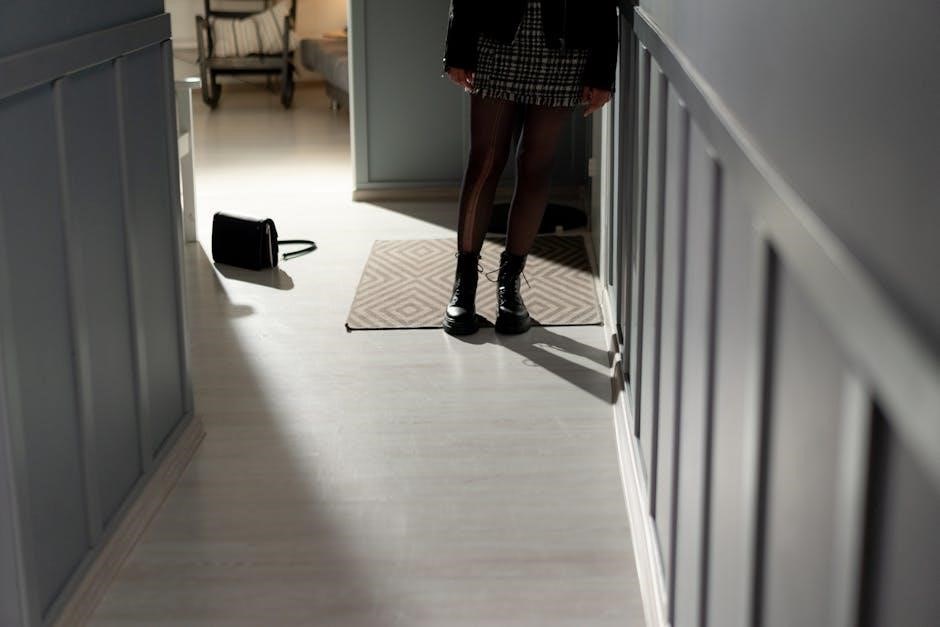
While rectangular rugs dominate entryway design‚ runners offer a stylish solution for narrow spaces. Shape significantly impacts perceived size and flow within the area.
Rectangular Rugs: The Most Common Choice
Rectangular rugs are the quintessential entryway choice‚ offering versatility and a classic aesthetic. They effortlessly define the space‚ creating a welcoming focal point as guests enter your home. The beauty of rectangular rugs lies in their adaptability to various entryway sizes and layouts.
For smaller foyers‚ a 3×5 or 4×6 rectangular rug provides sufficient coverage without overwhelming the area. Larger entryways benefit from the expansive feel of a 5×7‚ 6×9‚ or even an 8×10 rug‚ allowing you to anchor furniture and create a cohesive design. When selecting a rectangular rug‚ consider the overall proportions of your entryway.
Ensure the rug is at least as wide as your door‚ ideally extending a few inches beyond‚ to create a balanced and inviting look. Leaving a visible border of flooring around the rug – approximately 6 inches – adds visual breathing room and prevents the space from feeling cramped. Rectangular rugs are readily available in a wide array of colors‚ patterns‚ and materials‚ making it easy to find the perfect complement to your home’s décor.
Runner Rugs: Perfect for Narrow Entryways (2.5×8)
Runner rugs are a brilliant solution for narrow or hallway-style entryways where a full-sized rug simply won’t fit. Typically measuring around 2.5×8 feet‚ these elongated rugs gracefully guide foot traffic while adding warmth and style to often-overlooked spaces. They’re particularly effective in long‚ slender entryways‚ visually stretching the space and creating a sense of flow.
Unlike rectangular rugs‚ runners are designed to be proportionally scaled to the length of the entryway‚ rather than the width. They should extend almost the entire length of the space‚ leaving a small amount of flooring visible at each end. This creates a welcoming pathway and protects your floors from wear and tear.
When choosing a runner‚ prioritize durability and non-slip backing‚ as these rugs will experience significant foot traffic. Runners are available in a diverse range of designs‚ from traditional Persian patterns to modern geometric prints‚ allowing you to effortlessly integrate them into your existing décor.
Essential Rug Placement Guidelines
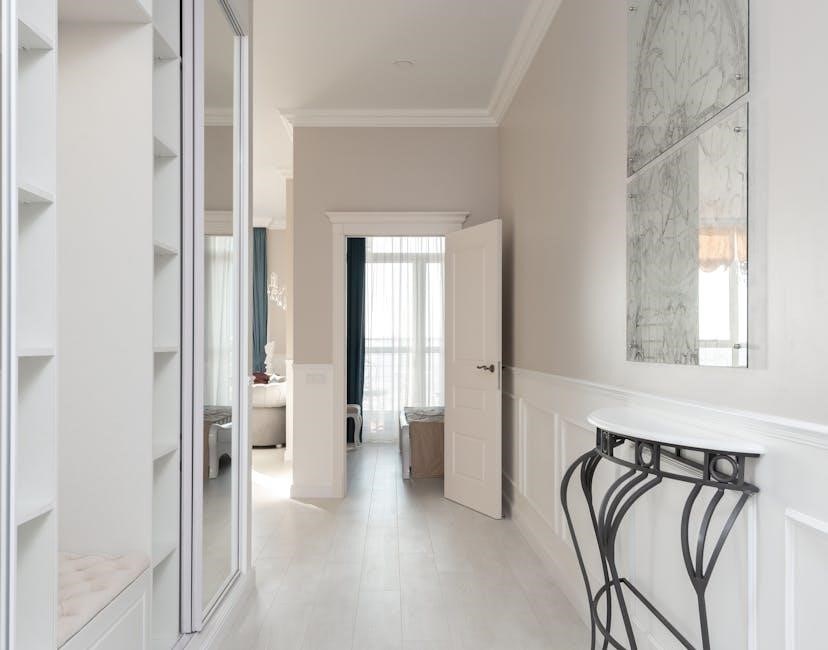
Strategic rug placement is key! Ensure at least six inches of visible flooring around the rug‚ maintain clear walkways‚ and match or exceed door width for balance.
Minimum Width: Matching or Exceeding Door Width
Establishing a visually balanced entryway begins with rug width. A fundamental guideline dictates that your entryway rug should be at least as wide as your entryway door. However‚ striving for a slightly wider rug generally creates a more inviting and proportionally pleasing aesthetic. Ideally‚ aim to cover approximately 80% of the space in front of the door.
This principle ensures the rug doesn’t appear diminutive or lost in the space. Consider the door’s swing; the rug shouldn’t obstruct its full range of motion. A rug that extends beyond the door’s width visually defines the entryway zone‚ creating a welcoming transition from outdoors to indoors. This is particularly important in open-plan layouts where the entryway isn’t clearly demarcated by walls. Prioritizing width contributes significantly to a cohesive and stylish first impression.
Maintaining Walkways: Ensuring Safe Passage
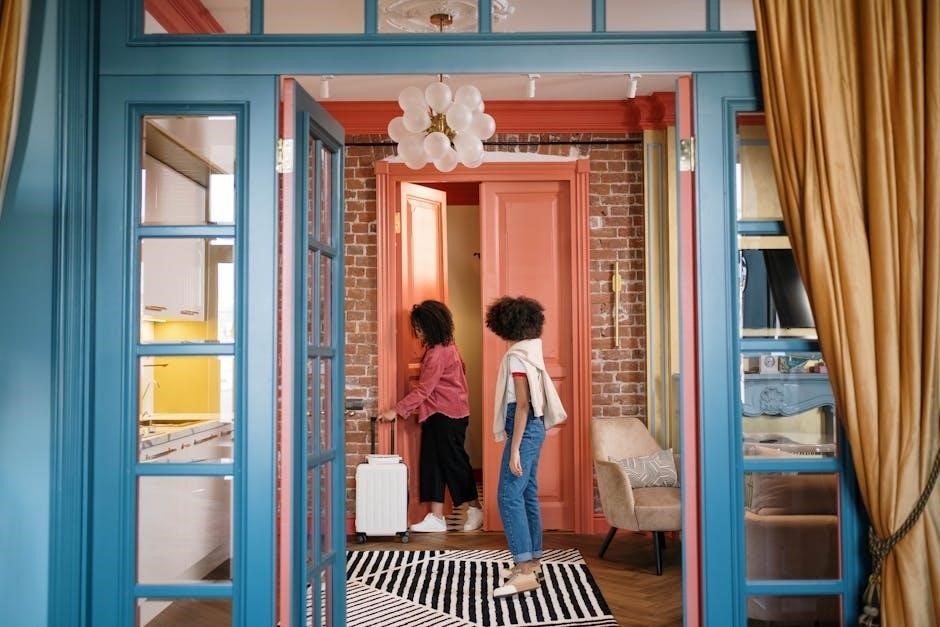
Prioritizing safety is paramount when selecting and positioning an entryway rug. Maintaining clear walkways is crucial to prevent trips and falls‚ especially in high-traffic areas. Ensure ample space around the rug’s perimeter – a minimum of six inches of visible flooring is generally recommended. This border creates a defined pathway and prevents the rug from feeling cramped or obstructing movement.
Consider typical foot traffic patterns. The rug shouldn’t impede the natural flow of people entering or exiting the home. Avoid placing the rug directly in front of frequently used doorways or hallways. Furthermore‚ a non-slip rug pad is essential to secure the rug in place and prevent shifting‚ enhancing safety and stability. A well-placed rug complements both aesthetics and functionality‚ offering a secure and welcoming entrance.
Border Space: Leaving at Least 6 Inches of Floor Visible
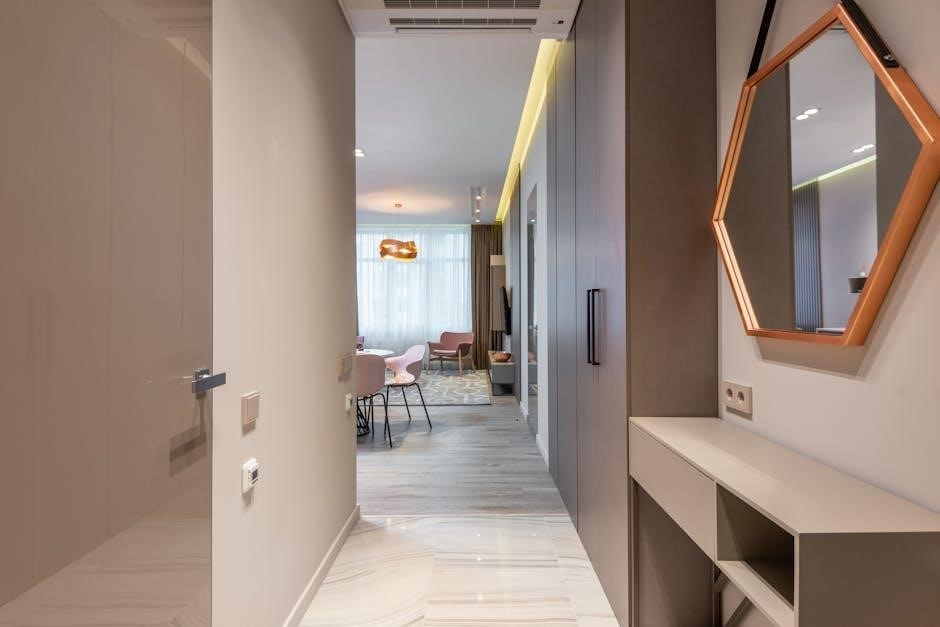
Creating visual balance and preventing a cluttered look hinges on adequate border space around your entryway rug. Leaving at least six inches of bare floor visible around all sides of the rug is a widely recommended guideline. This border defines the entryway‚ preventing the rug from appearing to “float” or overwhelm the space. It also offers a practical benefit – protecting the rug’s edges from excessive wear and tear caused by constant foot traffic.
This visible flooring acts as a visual buffer‚ enhancing the overall aesthetic appeal. For larger entryways‚ a wider border can create a more spacious and inviting feel. Remember‚ the goal is to integrate the rug seamlessly into the entryway’s design‚ not to cover every inch of the floor. A thoughtfully planned border contributes to a polished and welcoming first impression.
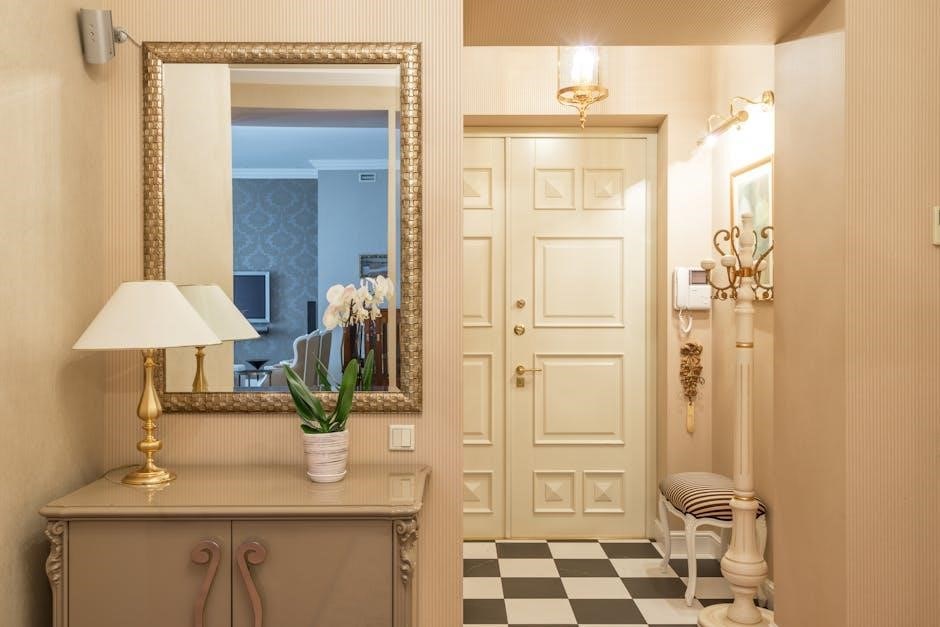
Material Considerations for Entryway Rugs
Prioritize durability and safety when selecting materials! Opt for resilient fibers and non-slip backing to withstand heavy foot traffic and prevent accidents.
Durable Materials: Withstanding High Traffic
Entryways endure constant use‚ demanding rugs built to last. Natural fibers like wool offer exceptional durability and a luxurious feel‚ resisting crushing and stains effectively. Synthetic options‚ such as polypropylene and nylon‚ are also excellent choices‚ known for their inherent stain resistance and affordability. These materials can bravely face daily wear and tear.
Consider rugs specifically designed for high-traffic areas; these often feature tightly woven constructions and robust fiber blends. Jute and sisal provide a textured‚ natural look but may require more frequent cleaning. Regularly vacuuming and addressing spills promptly will extend the life of any entryway rug‚ regardless of the material. Choosing wisely ensures your rug remains beautiful and functional for years to come.
Non-Slip Backing: Prioritizing Safety
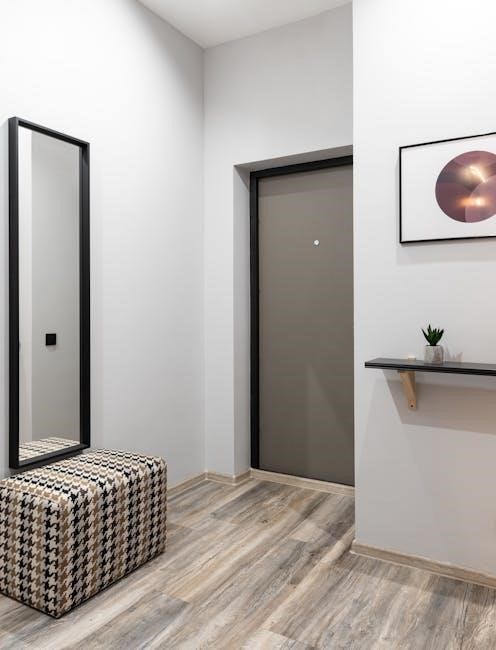
A beautiful rug is useless – and potentially dangerous – if it slides around. Prioritizing safety in the entryway means selecting a rug with a reliable non-slip backing. Several options are available‚ including latex‚ felt‚ and rubber backings‚ each offering varying degrees of grip. For hard flooring surfaces like tile or hardwood‚ a rubber or felt backing is highly recommended to prevent movement.
Alternatively‚ you can add a separate rug pad underneath any rug to enhance its grip and provide extra cushioning. Ensure the rug pad is appropriately sized for your rug‚ extending slightly beyond the edges. Regularly check the backing to ensure it remains intact and effective. A secure rug minimizes the risk of slips and falls‚ creating a welcoming and safe entryway for you and your guests.