General Electric Refrigerator Manual: A Comprehensive Guide
Welcome! This detailed manual assists new owners in maximizing their GE refrigerator’s performance, offering guidance from initial setup to long-term maintenance and troubleshooting.
Congratulations on selecting a General Electric refrigerator! This appliance represents a commitment to quality and innovation, designed to provide years of reliable food preservation. This section serves as your initial guide, offering a broad overview of your new refrigerator’s capabilities and features.
Before you begin, please take a few moments to familiarize yourself with this manual. It contains essential information regarding installation, operation, maintenance, and safety precautions. Understanding these guidelines will ensure optimal performance and longevity of your appliance. We’ve engineered this refrigerator with user-friendliness in mind, but a little preparation goes a long way.
Throughout this manual, you’ll find helpful tips and troubleshooting advice to address common concerns. Your GE refrigerator is more than just an appliance; it’s a vital part of your modern lifestyle.
Understanding Model Numbers & Serial Plates
Locating your refrigerator’s model and serial number is crucial for accurate service, warranty claims, and ordering replacement parts. These identifiers provide specific details about your appliance’s features and manufacturing date. The model number typically indicates the refrigerator’s size, configuration, and specific features, while the serial number uniquely identifies your individual unit.
You’ll find this information on a label usually located inside the refrigerator compartment, often on a side wall. It may also be on the exterior back of the unit. Carefully record both the model and serial numbers in a safe place for future reference.
When contacting GE customer support or scheduling service, having these numbers readily available will expedite the process and ensure you receive the correct assistance.
Safety Precautions & Warnings
To ensure your safety and prevent potential hazards, please read and understand these important precautions before operating your GE refrigerator. Always disconnect the refrigerator from the power supply before cleaning or performing maintenance. Never use flammable or corrosive cleaning agents, as they can damage the appliance and pose a fire risk.
Do not store explosive substances inside the refrigerator. Ensure proper grounding to prevent electrical shock. If the power cord is damaged, it must be replaced by a qualified technician. Keep the ventilation openings clear of obstructions to prevent overheating.
Supervise children around the appliance and do not allow them to play with its controls. Improper use can lead to injury or damage.

Setting Up Your Refrigerator
Proper installation is key! This section details the steps for physically placing, powering, and initially configuring your new GE refrigerator for optimal performance.
Initial Installation & Placement
Careful placement ensures optimal performance. Before connecting to power, select a location that is level and allows for adequate ventilation. Maintain at least one inch of clearance on the sides and top, and two inches at the rear, to facilitate proper air circulation.
Avoid placing the refrigerator near heat sources like stoves or direct sunlight, as this can impact cooling efficiency. Ensure the floor is strong enough to support the refrigerator’s weight, especially when fully loaded.
Use shims under the front legs to level the appliance if the floor is uneven. A level refrigerator ensures doors close properly and prevents unnecessary strain on the compressor. Double-check stability before proceeding with the power connection.
Connecting to Power & Grounding
Electrical safety is paramount. Your GE refrigerator requires a dedicated, grounded 115V, 60Hz electrical outlet. Do not use extension cords or adapters, as they can pose a safety hazard. The outlet should be easily accessible for servicing.
Before plugging in, verify the voltage matches the refrigerator’s specifications, found on the model rating plate. Proper grounding is essential to prevent electrical shock and ensure the appliance functions correctly.
If you are unsure about your home’s electrical system, consult a qualified electrician. Never attempt to repair the power cord yourself; always replace a damaged cord with a genuine GE replacement part.
Adjusting Temperature Controls
Optimal food preservation relies on correct temperature settings. Your GE refrigerator features adjustable controls for both the refrigerator and freezer compartments. Typically, these are dial-style or digital displays. For the refrigerator, a mid-setting (around 37°F or 3°C) is generally recommended.
The freezer should be set to 0°F (-18°C) to maintain optimal freezing conditions. Allow 24 hours for the refrigerator to reach the set temperature after initial adjustment or door openings.
Avoid frequent adjustments; small changes are best. Monitor food temperatures to ensure proper cooling. Some models have ‘quick cool’ or ‘express freeze’ options for rapidly cooling new items.
Water Line Connection (for models with ice/water dispenser)
Connecting a water line is essential for ice and water dispenser functionality. First, shut off the main water supply. Locate a cold water pipe (typically ½ inch) near the refrigerator. Use a compression fitting to connect the refrigerator’s water line to the pipe, ensuring a tight seal to prevent leaks.
A saddle valve is an alternative, but compression fittings are preferred for reliability. After connection, slowly turn the water supply back on and check for leaks. Flush the water line for several minutes to remove air and debris.
GE recommends using a dedicated water line; do not use a line connected to a water softener.

Refrigerator Features & Functions
Explore your GE refrigerator’s capabilities! Discover adjustable shelving, specialized drawers, innovative door features, and smart functionalities designed for optimal food preservation.
Internal Components: Shelves, Drawers, Bins
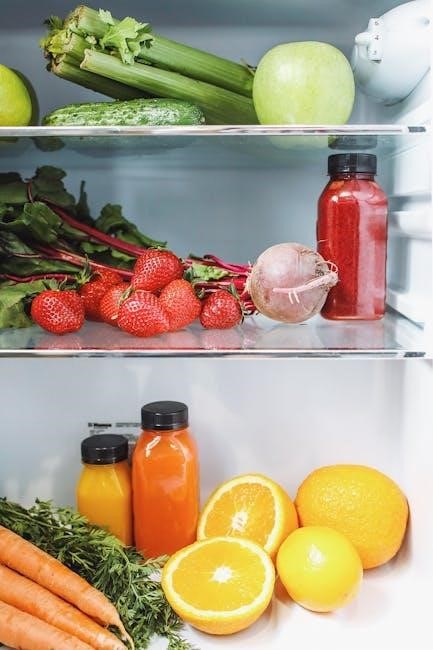
Shelves: Your GE refrigerator features adjustable, spill-proof glass shelves designed for flexible storage. Rearrange them to accommodate items of varying heights. Some models include a full-width shelf ideal for large platters.
Drawers: Humidity-controlled crisper drawers maintain optimal moisture levels for fruits and vegetables, extending their freshness. Deli drawers are perfect for cheeses, meats, and snacks. Specialized drawers may exist depending on your model.
Bins: Door bins provide convenient storage for frequently used items like milk, juice, and condiments. Adjustable bins allow customization to fit different container sizes. Ensure proper weight distribution within the bins to prevent damage. Regularly check and clean bins to maintain hygiene.
Cantilever Shelves: Some models feature cantilever shelves, offering easy access to items stored at the back.
Door Features: Ice & Water Dispenser (if applicable)
Ice Dispenser: Your GE refrigerator’s ice dispenser provides cubed or crushed ice. Select your desired ice type using the dispenser control. Ensure the ice bin is adequately filled for optimal operation. Regularly check for ice buildup and clear any obstructions.
Water Dispenser: The water dispenser delivers filtered water at the touch of a button. Use appropriate glassware to avoid spills. The water filter should be replaced every six months to maintain water quality.
Controls: Dispenser controls may include options for locking the dispenser, selecting ice type, and adjusting water temperature. Refer to your model’s specific instructions for detailed operation. A child lock feature is often available for safety.
Filter Reset: A filter reset button indicates when a new filter is needed.
Smart Features & Connectivity (for Smart models)
WiFi Connectivity: Your GE smart refrigerator connects to your home’s WiFi network, enabling remote control and monitoring via the SmartHQ app. Download the app from your app store and follow the on-screen instructions for pairing;
Remote Diagnostics: Smart features allow GE to remotely diagnose potential issues, potentially avoiding service calls. You’ll receive notifications regarding maintenance needs or potential problems.
Voice Control: Compatible with voice assistants like Google Assistant and Amazon Alexa, allowing hands-free operation. Control temperature settings or check refrigerator status with voice commands.
App Features: The SmartHQ app offers features like inventory management, recipe suggestions, and energy monitoring. Explore the app to discover all available functionalities.
Lighting System & Replacement
Interior Lighting: Your GE refrigerator utilizes bright, energy-efficient LED lighting to illuminate the interior, ensuring optimal visibility of stored items. The lights automatically activate when the door opens and deactivate upon closure.
Bulb Replacement: To replace the interior light bulb, first disconnect the refrigerator from the power supply. Locate the light bulb cover, typically found on the upper side walls or ceiling of the refrigerator compartment. Gently remove the cover and unscrew the old bulb.
Correct Bulb Type: Replace with an equivalent LED bulb of the specified wattage (refer to the specifications section of this manual). Reattach the cover and restore power. Caution: Never operate the refrigerator with the light bulb cover removed.
Using Your Refrigerator
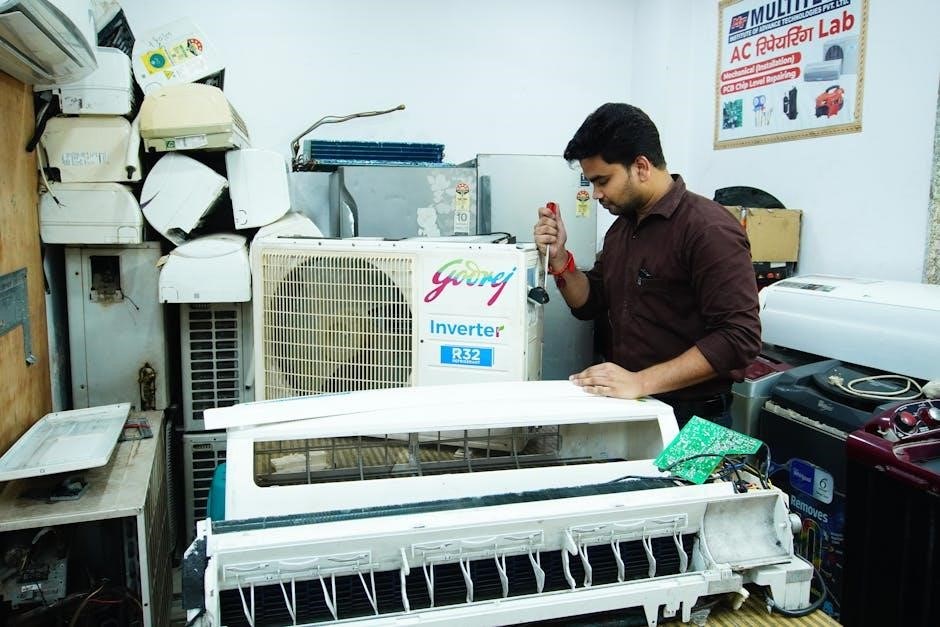
Optimal Performance: Discover how to efficiently store food, utilize freezer features, operate the ice and water dispenser, and leverage quick cooling options.
Storing Food Properly: Temperature Zones
Maximize Freshness: Your GE refrigerator is designed with specific temperature zones to optimize food preservation. The coldest area, typically the bottom shelf, is ideal for raw meats and poultry, preventing cross-contamination.
Middle shelves maintain a consistent temperature suitable for dairy products like milk, yogurt, and cheeses. Door bins are warmer and best for condiments, juices, and bottled beverages.
Crisper drawers control humidity; one for high humidity (leafy greens) and one for low humidity (fruits). Proper food placement extends shelf life and maintains flavor. Avoid overcrowding, allowing air to circulate freely. Always store leftovers in airtight containers to prevent odor transfer and maintain moisture levels. Regularly check expiration dates and discard spoiled items promptly.
Using the Freezer Compartment
Optimal Freezing: The freezer compartment in your GE refrigerator is designed for long-term food storage. Ensure food is properly wrapped in freezer-safe packaging – airtight seals prevent freezer burn and maintain quality.
Avoid placing warm food directly into the freezer; allow it to cool first to prevent temperature fluctuations. Organize items for easy access and to maximize space. Utilize shelves and bins effectively.
For best results, label and date all frozen items. A general guideline is that most foods maintain optimal quality for 8-12 months, though this varies. Avoid prolonged power outages, as they can compromise frozen food. Regularly defrost your freezer if it’s not frost-free to maintain efficiency.
Ice & Water Dispenser Operation & Troubleshooting
Dispensing Ice & Water: To dispense ice, firmly press a glass against the ice dispenser paddle. For water, press the designated paddle. Ensure your glass is adequately sized to prevent splashing.
Troubleshooting: If ice isn’t dispensing, check the freezer temperature and ensure the ice maker is turned on. A clogged ice chute can also be the culprit – carefully clear any obstructions.
For water dispenser issues, verify the water supply line is connected and the water filter isn’t clogged. Low water pressure can also affect performance. If problems persist, consult the troubleshooting section or contact GE customer support for assistance. Regular filter replacement is crucial for optimal water quality.
Quick Cooling & Freeze Functions
Quick Cool Feature: This function rapidly lowers the refrigerator temperature, ideal for newly added groceries or when preparing for parties. Activate it via the control panel; it typically runs for a set period, then reverts to normal settings.
Quick Freeze Feature: Similarly, Quick Freeze quickly lowers the freezer temperature, perfect for preserving freshly frozen items and maintaining food quality. It’s especially useful for preventing freezer burn.
Usage Notes: Avoid prolonged use of these functions as they consume more energy. Remember to deactivate them once the desired temperature is reached. Refer to your model’s specific instructions for detailed operation and recommended usage guidelines.

Maintenance & Cleaning
Regular upkeep ensures optimal performance and longevity of your GE refrigerator; consistent cleaning and filter replacements are vitally important for efficiency.
Regular Cleaning Procedures
Maintaining a clean refrigerator is crucial for food safety and optimal performance. Begin by disconnecting power to avoid electrical shock. Remove all food items, shelves, and drawers. Wash these removable parts with warm, soapy water, then rinse and dry thoroughly before replacing them.
For the interior surfaces, use a mild detergent solution and a soft cloth; Avoid abrasive cleaners, as they can damage the finish. Pay attention to spills and stains, cleaning them promptly to prevent buildup. Don’t forget to wipe down the door gaskets to ensure a tight seal.
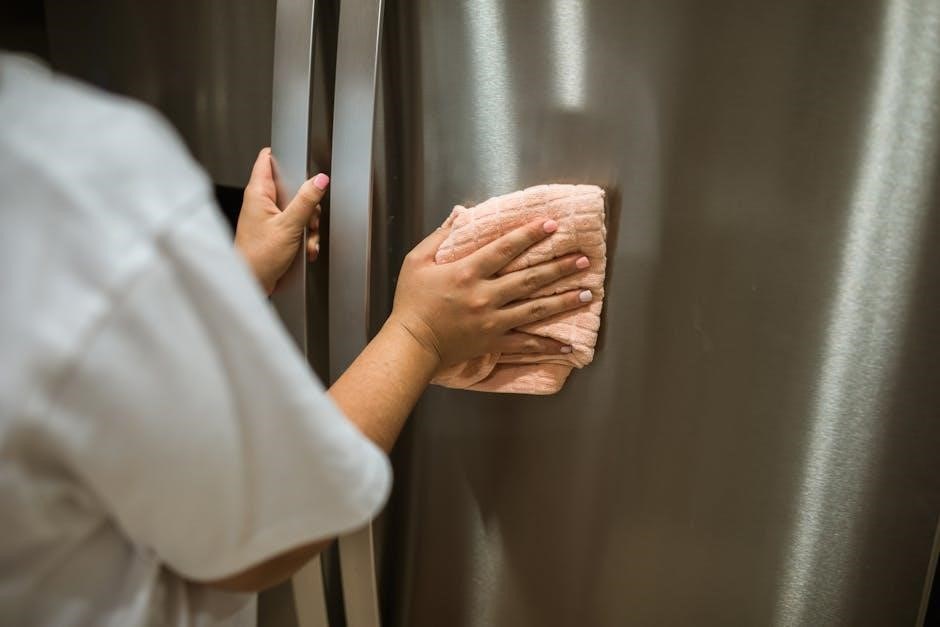
The exterior can be cleaned with a damp cloth and mild dish soap. Regularly wipe down the door handles to remove fingerprints and smudges. A clean refrigerator operates more efficiently and keeps your food fresher for longer!
Air Filter Replacement
Maintaining fresh air within your GE refrigerator is vital, and the air filter plays a key role. Replacement frequency typically ranges from every six months, but may vary based on usage and air quality. Locate the air filter, usually within the refrigerator compartment or behind a vent.
Gently remove the old filter, noting its orientation for correct installation of the new one. Insert the new GE-recommended air filter, ensuring it clicks securely into place. A properly installed filter reduces odors and helps preserve food freshness.
Refer to your model’s specific instructions for precise filter location and replacement steps. Regularly changing the air filter contributes to a healthier and more efficient refrigerator operation, improving overall food preservation.
Defrosting Your Refrigerator (Manual Defrost Models)
Manual defrost models require periodic removal of accumulated frost to maintain optimal performance. Begin by unplugging the refrigerator from the power outlet for safety. Remove all food items and store them in a cool place. Place towels or pans inside to catch melting frost.
Leave the refrigerator door open for several hours, allowing the frost to completely thaw. Never use sharp objects to scrape away frost, as this can damage the refrigerator lining. Once thawed, thoroughly clean and dry the interior before plugging the unit back in.
Regular defrosting prevents ice buildup, ensuring efficient cooling and preserving food quality. Consult your model’s manual for specific defrosting recommendations and estimated defrosting times.
Cleaning the Condenser Coils
Maintaining clean condenser coils is crucial for efficient refrigerator operation. Located on the back or bottom of the unit, these coils dissipate heat. Unplug the refrigerator before cleaning. Use a vacuum cleaner with a brush attachment to gently remove dust, dirt, and debris from the coils.
Avoid bending or damaging the coils during cleaning. A build-up of dust restricts airflow, forcing the refrigerator to work harder and consume more energy. Regular cleaning – ideally every six months – improves cooling performance and extends the appliance’s lifespan.
Consult your model’s manual for specific coil location and cleaning instructions.
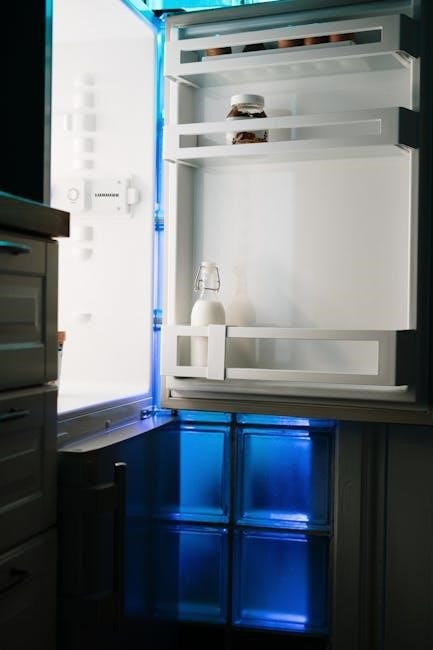
Troubleshooting Common Issues
This section provides solutions for typical problems like cooling failures, ice maker malfunctions, water dispenser concerns, and unusual operational noises.
Refrigerator Not Cooling
If your GE refrigerator isn’t cooling, first verify the power cord is securely plugged into a functioning outlet. Check the temperature controls to ensure they haven’t been accidentally adjusted to a warmer setting. A common issue is a blocked condenser coil; these require periodic cleaning for optimal heat dissipation.
Inspect the door seals for any gaps or damage, as compromised seals allow warm air to enter. Also, confirm the evaporator fan motor is running – listen for its operation when the compressor cycles on. If the freezer is cooling but the refrigerator isn’t, the damper control between the two compartments might be stuck. For persistent issues, consult a qualified appliance technician, as refrigerant leaks or compressor failures require professional attention.
Ice Maker Problems
Experiencing issues with your GE refrigerator’s ice maker? Begin by ensuring the water supply line is properly connected and the water supply valve is fully open. Verify the ice maker is switched “on” – often a simple switch within the ice compartment. A frozen water line is a frequent culprit; try gently thawing it with a hairdryer (low setting!).
Check for ice buildup within the ice maker itself, which can obstruct production. If the ice cubes are small or misshapen, the water filter may need replacing. For models with sensors, a faulty sensor could be the cause. If problems persist, consult the troubleshooting section of your model’s specific manual or contact GE customer support for assistance.
Water Dispenser Issues
Encountering problems with your GE refrigerator’s water dispenser? First, confirm the water supply line is securely connected and the shut-off valve is completely open. A clogged water filter is a common cause of reduced water flow; replace it every six months, or as indicated on the filter itself.
Low water pressure to the refrigerator can also limit dispensing. Check if other faucets in your home have adequate pressure. If the dispenser is dripping, inspect the dispenser valve for damage. For slow dispensing, try flushing the water line by holding the dispenser lever for several minutes. If issues continue, refer to your model’s manual or contact GE support.
Unusual Noises
Hearing strange sounds from your GE refrigerator? Several factors can cause this. A rattling noise might indicate items are vibrating against each other inside – rearrange contents. Buzzing could stem from the condenser fan motor; ensure it’s free of debris. Clicking sounds are often normal during the defrost cycle.
If you hear a loud humming, it could be the compressor, which is normal during operation. However, excessively loud or continuous humming warrants investigation. Popping or cracking sounds might indicate expanding or contracting components as temperatures change. If the noise is persistent or concerning, consult the troubleshooting section of your manual or contact GE customer support.
Warranty Information & Support
Your GE refrigerator is covered by a comprehensive warranty! Find details regarding coverage, parts, and labor, plus access to GE’s dedicated support network.
GE Appliance Warranty Details
Limited Warranty Coverage: Your General Electric refrigerator comes with a standard one-year limited warranty covering manufacturing defects in materials and workmanship. This covers parts and labor for repairs during normal household use. The sealed refrigeration system (compressor, condenser, evaporator, drier, and connecting tubing) is covered for five years, with parts and labor included.
What is Not Covered: Damage caused by improper installation, misuse, abuse, accidents, alterations, or natural disasters are excluded. Commercial use voids the warranty. Cosmetic damage, such as scratches or dents, is also not covered. Any repairs performed by unauthorized service providers will invalidate the warranty. Proof of original purchase date is required for all warranty claims.
Warranty Registration: While not mandatory, registering your appliance online at GEAppliances.com ensures faster service and access to important product updates. Keep your purchase receipt in a safe place as proof of purchase.
Contacting GE Customer Support
GE Appliances Website: The most efficient way to find support is through the GE Appliances website at GEAppliances.com. Here, you can access FAQs, troubleshooting guides, owner’s manuals, and schedule service appointments. A virtual assistant is also available for immediate assistance with common questions.
Phone Support: For direct assistance, call the GE Appliances Customer Support line at 1-800-626-2000. Representatives are available Monday-Friday, 9 a.m. to 9 p.m. EST, and Saturday/Sunday 9 a.m. to 7 p.m. EST. Be prepared to provide your model and serial number.
Social Media: You can also reach GE Appliances through their official social media channels on platforms like Twitter and Facebook for quick responses and support.
Finding Parts & Service
GE Parts Center: Genuine GE refrigerator parts can be ordered directly from the GE Appliances Parts Center online at GEApplianceParts.com. You’ll need your model number to ensure compatibility. A parts diagram tool is available to help identify the correct component.
Authorized Service Providers: For professional repair services, GE recommends using authorized service providers. Locate a qualified technician near you through the GE Appliances website’s service locator tool. This ensures qualified and reliable repairs.
Local Appliance Repair Shops: Alternatively, you can contact local appliance repair shops. However, verify they are experienced with GE refrigerators and use genuine GE replacement parts for optimal performance and warranty validity.