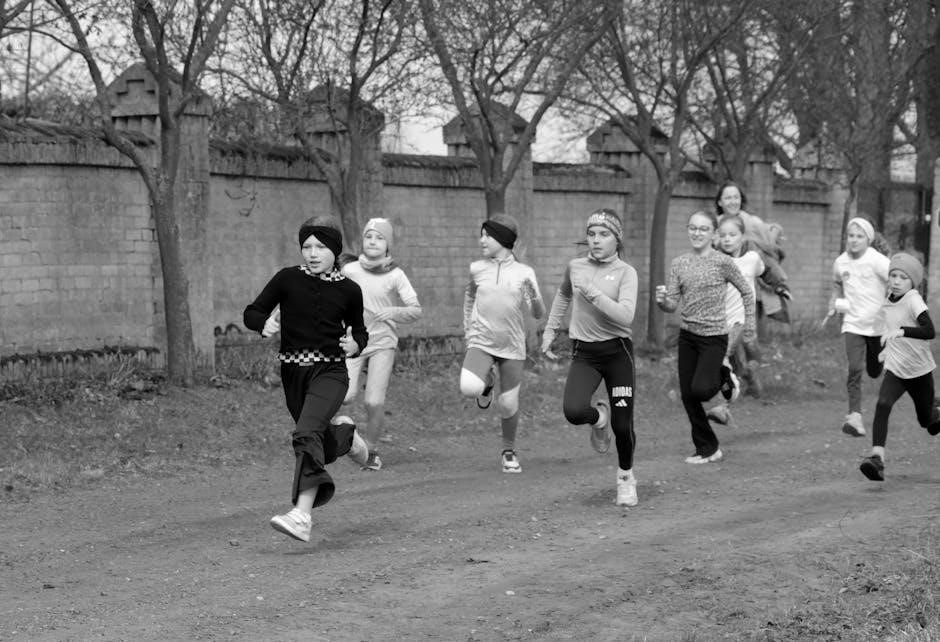
High school cross country demands a dedicated training approach․ Understanding the historical context of symbols, like the cross, alongside modern forensic analysis, informs a holistic preparation․
What is a High School Cross Country Training Plan?
A comprehensive high school cross country training plan is a structured, progressive roadmap designed to maximize an athlete’s performance throughout the season․ It’s far more than just daily runs; it encompasses a carefully calibrated blend of mileage, workout intensity, strength training, flexibility work, and crucial recovery periods․
Like understanding the evolution of religious symbols – from instruments of suffering to emblems of faith – a training plan evolves․ It adapts to the athlete’s current fitness level, the demands of the competitive schedule, and individual needs․ Archaeological insights into historical practices, such as crucifixion, demonstrate the importance of detailed analysis, mirroring the need for meticulous planning in athletic preparation․ A well-designed plan, often documented in a PDF format for easy access, aims to peak performance at championship meets․
Importance of a Structured Plan
A structured cross country training plan is paramount for several reasons․ Without one, athletes risk overtraining, injury, and plateauing – hindering their potential․ Just as understanding the historical context of Golgotha requires careful investigation, a training plan demands methodical progression․
A well-defined plan, often available as a downloadable PDF, ensures balanced development of aerobic capacity, strength, and speed․ It minimizes guesswork, allowing coaches and athletes to track progress and make informed adjustments․ Like forensic analysis of ancient remains revealing Roman crucifixion methods, a plan provides data-driven insights․ It fosters consistency, promotes mental toughness, and ultimately, maximizes the likelihood of achieving peak performance during crucial competitions, mirroring the focused dedication required for archaeological discovery․
Pre-Season Training (8-12 Weeks Before Season)
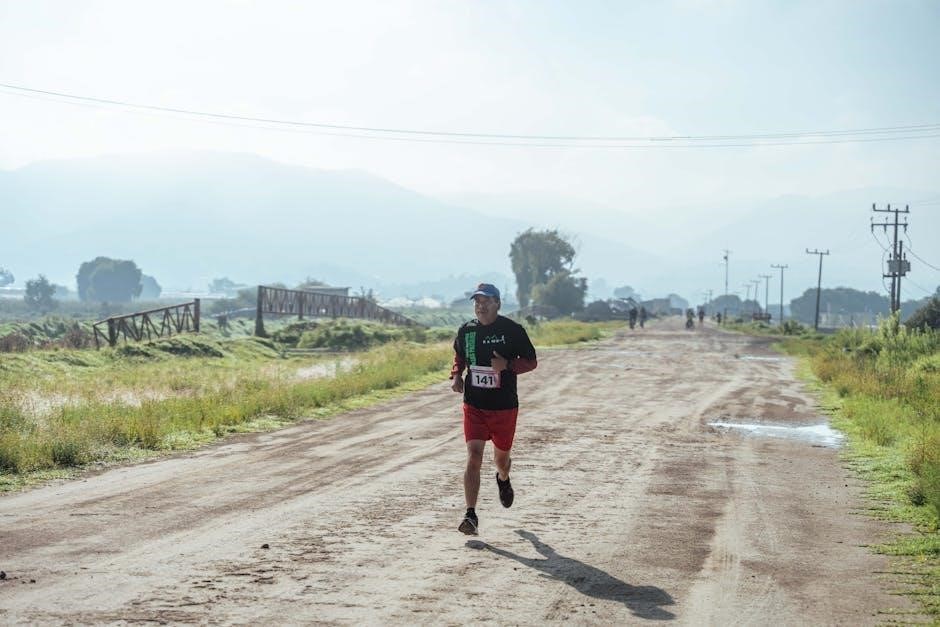
Pre-season focuses on building a strong aerobic base and foundational strength․ This phase, detailed in many training PDFs, prepares athletes for the demands ahead․
Base Building: Aerobic Foundation
Establishing a robust aerobic base is paramount during pre-season․ This phase, extensively covered in high school cross country training plan PDFs, prioritizes low-intensity, longer duration runs․ Think conversational pace, building mileage gradually – typically increasing no more than 10% per week․
The goal isn’t speed, but improving the body’s efficiency in utilizing oxygen․ This foundational work strengthens the cardiovascular system and builds capillary density in muscles․ Consider the historical transformation of symbols; just as the cross evolved in meaning, the athlete evolves in endurance․ Early runs should focus on time on feet, not pace, preparing the body for more intense workouts later․ Consistent, easy running is key to injury prevention and long-term success․
Strength Training for Runners
A comprehensive high school cross country training plan PDF will emphasize strength training as crucial for performance and injury prevention․ Focus should be on functional movements, mimicking running mechanics․ Exercises like squats, lunges, and deadlifts build lower body strength, vital for power and endurance․
Core work – planks, Russian twists – improves stability and running form․ Upper body strength, though less direct, aids in arm drive and overall posture․ Similar to archaeological digs revealing historical truths, strength training uncovers athletic potential․ Two to three sessions per week, incorporating bodyweight or light weights, are generally recommended․ Proper form is paramount to avoid injury; prioritize technique over lifting heavy loads․
Flexibility and Mobility Work
A well-structured high school cross country training plan PDF prioritizes flexibility and mobility alongside strength and endurance․ Just as understanding the evolution of symbols requires careful examination, runners need to meticulously address muscle imbalances and range of motion․
Dynamic stretching – leg swings, arm circles – prepares muscles for activity, while static stretching – holding a stretch for 30 seconds – improves flexibility post-run․ Foam rolling targets tight areas, releasing tension and improving recovery․ Mobility drills, like hip circles and ankle rotations, enhance joint function․ Incorporate these daily, recognizing that consistent work, like uncovering archaeological evidence, yields significant benefits․ Ignoring flexibility is akin to overlooking crucial historical context․
In-Season Training (During Competition)
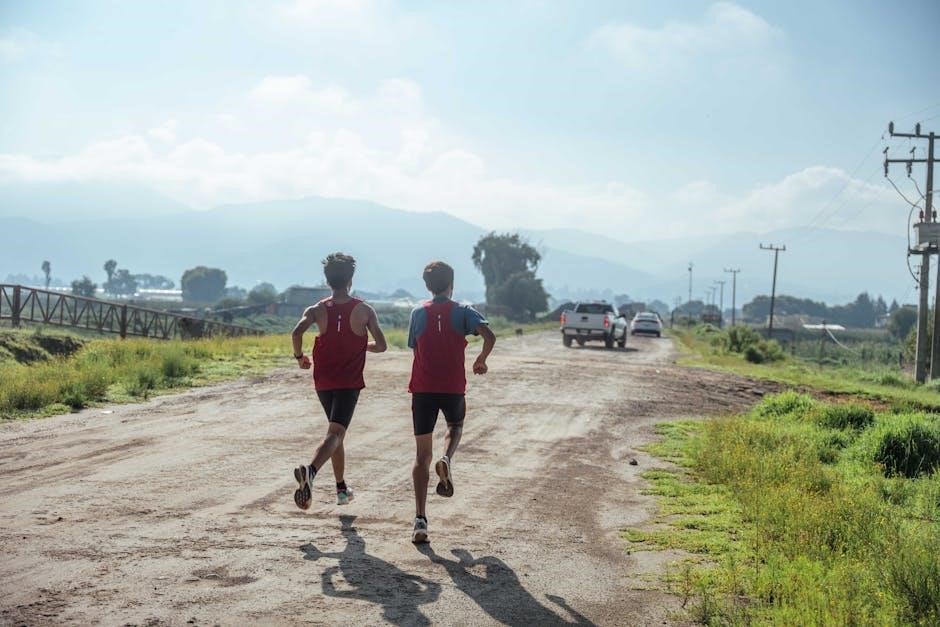
The in-season phase, detailed in a cross country training PDF, balances race preparation with maintaining fitness․ Archaeological discoveries require careful preservation, mirroring athlete management․
Weekly Mileage and Progression
A well-structured high school cross country training plan PDF meticulously outlines weekly mileage․ Initial weeks focus on gradually increasing volume, typically 10% per week, to build endurance․ Progression isn’t linear; “cutback” weeks are crucial for recovery and preventing overtraining․ These weeks involve a slight reduction in mileage, allowing the body to adapt․
The PDF will detail how mileage is distributed – easy runs, long runs, and workouts․ Monitoring athlete response is paramount; adjustments are made based on individual needs and performance․ Understanding historical context, like the evolution of religious symbols, requires similar nuanced observation․ Peak mileage varies based on the athlete’s experience and the championship schedule, but careful planning prevents injury and maximizes performance․
Workout Types: Interval Training
A comprehensive high school cross country training plan PDF dedicates significant space to interval training․ These workouts involve alternating high-intensity running with periods of recovery – jogging or walking․ Common intervals include 400m, 800m, and 1600m repeats, with prescribed recovery times․ The PDF will detail specific interval sessions, progressing in intensity and volume throughout the season․
Intervals improve speed, running economy, and VO2 max․ Like archaeological digs revealing historical truths about events like crucifixion, interval training uncovers an athlete’s potential․ Proper warm-up and cool-down are essential․ The plan emphasizes form and pacing, ensuring athletes aren’t simply running fast, but running efficiently fast․ Monitoring heart rate and perceived exertion aids in effective interval execution․
Workout Types: Tempo Runs
A well-structured high school cross country training plan PDF incorporates tempo runs as a cornerstone of aerobic development․ These sustained efforts, typically 20-40 minutes at a comfortably hard pace – often described as “controlled discomfort” – build lactate threshold․ The PDF will outline specific tempo run distances and target paces based on individual athlete assessments․
Tempo runs enhance the body’s ability to clear lactate, delaying fatigue during races․ Much like understanding the historical context of symbols, like the cross, tempo runs provide a foundational understanding of endurance․ Proper warm-up and cool-down are crucial․ The plan stresses maintaining consistent effort throughout the tempo portion, avoiding significant pace fluctuations․ Monitoring perceived exertion is key․
Workout Types: Long Runs
The high school cross country training plan PDF prioritizes long runs for building endurance and mental toughness․ These runs, progressively increasing in distance throughout the season, prepare athletes for the demands of a 5k race․ The PDF details weekly long run distances, starting conservatively and peaking before tapering․
Long runs aren’t about speed; they’re about time on feet․ Similar to archaeological investigations revealing historical truths, long runs reveal an athlete’s true endurance capacity․ The plan emphasizes maintaining a conversational pace, focusing on consistent effort․ Hydration and fueling strategies are outlined within the PDF, crucial for sustaining energy levels․ Recovery following long runs is paramount, including proper nutrition and rest․
Recovery Runs and Active Recovery
The high school cross country training plan PDF stresses the importance of recovery, mirroring the careful forensic analysis of historical artifacts․ Recovery runs are short, easy-paced efforts designed to promote blood flow and muscle repair without adding significant stress․
Active recovery, detailed in the PDF, includes activities like cross-training (swimming, cycling) or yoga․ These methods aid in muscle recovery and prevent overuse injuries․ Just as understanding the context of the cross requires historical investigation, understanding recovery requires a nuanced approach․ The plan outlines specific active recovery days and durations․ Prioritizing rest and low-intensity activity is crucial for preventing burnout and maximizing performance gains throughout the season․
Nutrition for High School Cross Country Runners
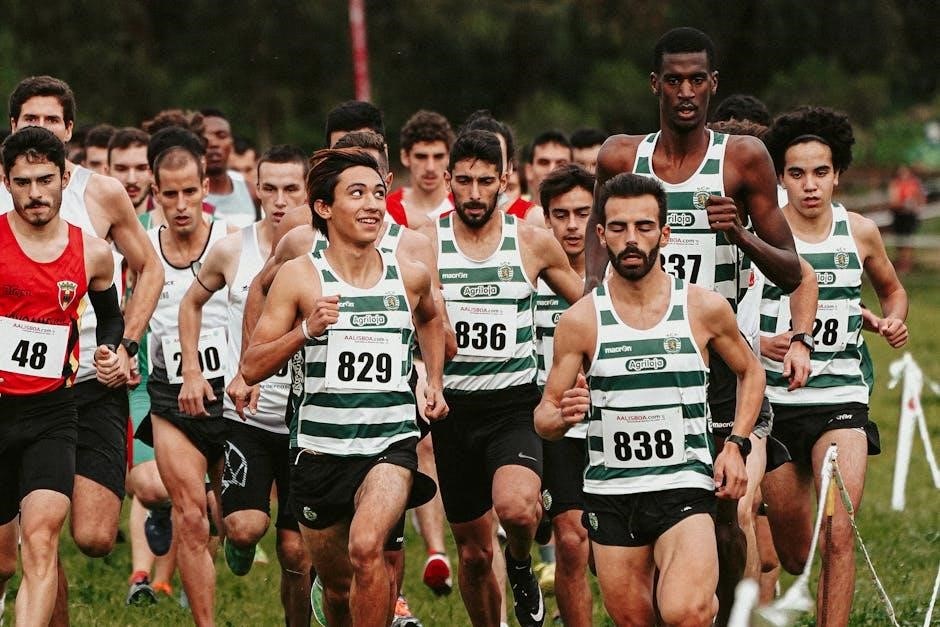
A comprehensive high school cross country training plan PDF emphasizes fueling the body effectively․ Proper nutrition, like understanding historical context, is foundational for success;
Hydration Strategies
Maintaining optimal hydration is paramount for high school cross country runners, and a detailed training plan PDF will outline specific strategies․ Dehydration significantly impacts performance, mirroring how understanding historical context clarifies present realities․ Runners should proactively drink water throughout the day, not just during and after workouts․
Pre-hydration – consuming 16-20 ounces of water 2-3 hours before training – is crucial․ During runs exceeding 60 minutes, consider electrolyte drinks to replenish lost sodium and potassium․ Post-run rehydration should involve 24-36 ounces of fluid per pound of weight lost․ Monitoring urine color (aim for pale yellow) provides a simple hydration check․ Individual needs vary based on sweat rate and environmental conditions, so personalized adjustments are essential․
Carbohydrate Loading and Fueling
A comprehensive high school cross country training plan PDF must detail carbohydrate strategies․ Just as archaeological discoveries illuminate the past, understanding fueling optimizes performance․ Carbohydrates are the primary energy source for runners, and adequate intake is vital․ Daily intake should comprise 55-65% of total calories, increasing during peak training․
For races longer than 90 minutes, carbohydrate loading (increasing glycogen stores) in the days leading up can be beneficial․ During races, consume 30-60 grams of carbohydrates per hour through gels, chews, or sports drinks․ Practice fueling strategies during training to avoid gastrointestinal distress on race day; Prioritize complex carbohydrates like whole grains, fruits, and vegetables for sustained energy․
Protein Intake for Muscle Recovery
A detailed high school cross country training plan PDF should outline protein requirements for optimal recovery․ Similar to how forensic analysis reveals details of ancient practices, understanding protein’s role is crucial․ Runners need more protein than sedentary individuals to repair muscle damage from intense training․ Aim for 1․2-1;7 grams of protein per kilogram of body weight daily․
Distribute protein intake throughout the day, including a serving within 30-60 minutes post-workout․ Good sources include lean meats, poultry, fish, eggs, dairy, beans, and lentils․ Protein aids in muscle protein synthesis, reducing soreness and promoting adaptation․ While carbohydrates fuel runs, protein rebuilds and strengthens the body․
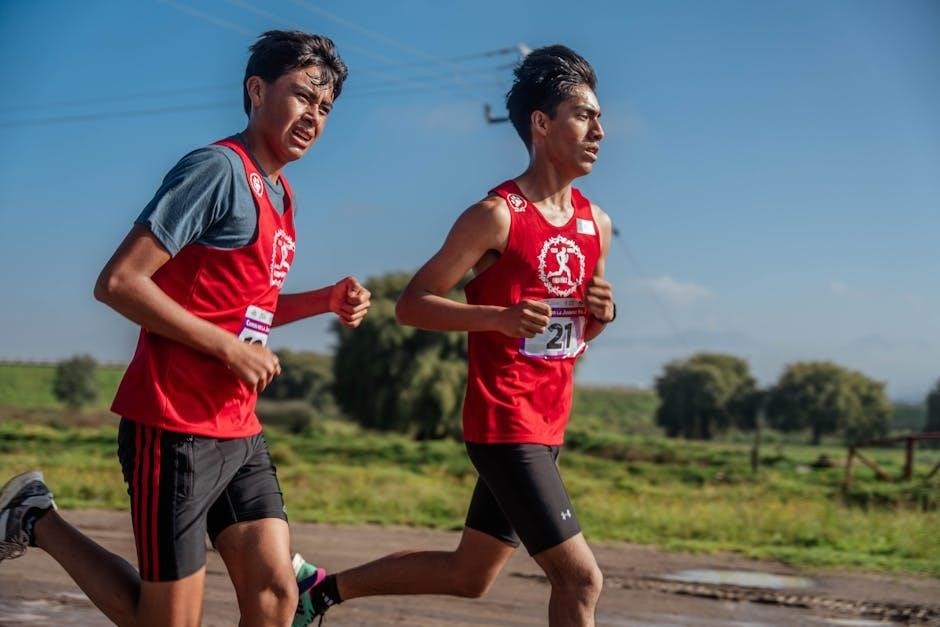
Injury Prevention and Management
A comprehensive plan, like archaeological digs revealing past traumas, prioritizes injury prevention․ Understanding Roman crucifixion methods informs modern care and proactive strategies․
Common Cross Country Injuries
Cross country runners frequently experience overuse injuries due to the repetitive nature of the sport․ Shin splints, stress fractures (particularly in the tibia and metatarsals), and plantar fasciitis are incredibly common․ Achilles tendinitis and hamstring strains also present frequently, often linked to inadequate warm-up or cool-down routines․
Understanding the historical context of physical suffering – like analyzing remains from Roman crucifixions – highlights the body’s vulnerability․ Knee pain, including runner’s knee (patellofemoral pain syndrome) and IT band syndrome, is also prevalent․ Proper footwear, gradual increases in mileage, and consistent strength training are crucial preventative measures․ Early recognition and appropriate management, including rest, ice, compression, and elevation (RICE), are vital for a swift return to training․
Warm-up and Cool-down Routines
Effective warm-ups are paramount for injury prevention and performance enhancement․ A dynamic warm-up, including leg swings, high knees, butt kicks, and torso twists, prepares muscles for exertion․ This increases blood flow and range of motion․ Consider the historical context – even ancient practices involved preparation before physical trials․
Cool-downs are equally vital, aiding in recovery and reducing muscle soreness․ Static stretching, holding each stretch for 20-30 seconds, should be performed post-run․ Light jogging or walking helps gradually lower heart rate; Like understanding the details of ancient Roman practices, a structured cool-down is essential․ Incorporating foam rolling can further enhance recovery and flexibility, minimizing the risk of overuse injuries․
Strength Exercises to Prevent Injury
Proactive strength training is crucial for cross country athletes․ Focusing on core stability, glute strength, and leg power minimizes injury risk․ Exercises like planks, bridges, squats, and lunges build foundational strength․ Just as archaeological evidence reveals details of past physical challenges, targeted exercises address specific running demands․
Include calf raises to strengthen lower legs, preventing Achilles tendonitis․ Hamstring curls and extensions protect the back of the leg․ Incorporate plyometrics, such as box jumps, to improve explosive power․ Remember, a balanced program is key․ Consistent strength work, 2-3 times weekly, builds resilience and supports the body through the rigors of training and competition․
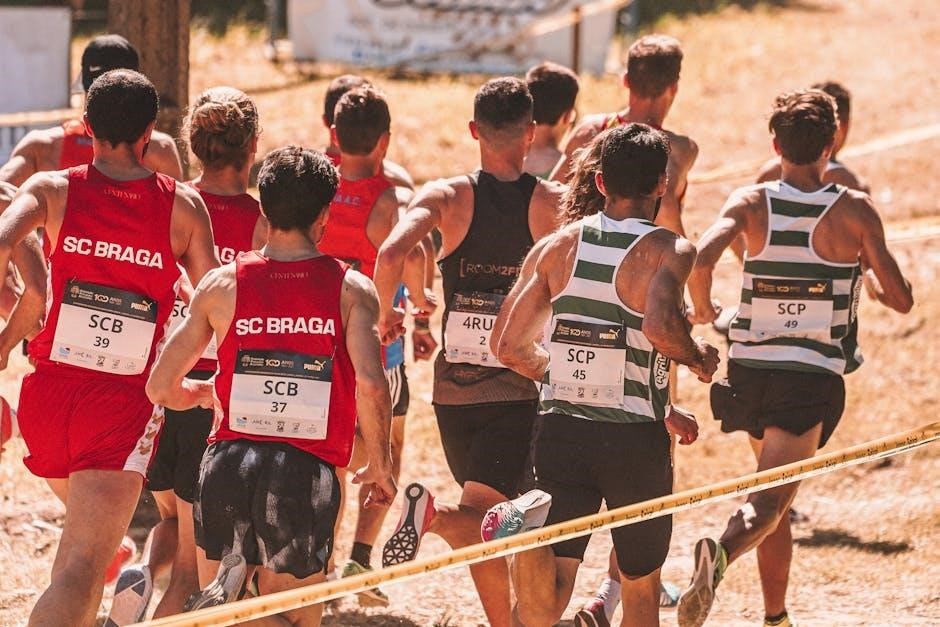
Mental Training for Cross Country
Cultivating mental fortitude is paramount․ Like understanding the evolution of religious symbols, athletes must develop inner strength, focus, and resilience for peak performance․
Goal Setting and Visualization
Establishing clear, achievable goals is fundamental to success in cross country․ These goals should span the entire season – from initial base building to championship races – and be both performance-based (e․g․, specific times) and process-oriented (e․g․, consistent training habits)․
Visualization techniques, mirroring the detailed archaeological investigations into historical events, empower athletes to mentally rehearse successful races․ Regularly imagining positive outcomes – navigating challenging courses, maintaining strong form, and executing race strategies – builds confidence and reduces anxiety․
Encourage athletes to create vivid mental imagery, incorporating all senses․ This practice, much like analyzing ancient graffiti for clues, allows them to prepare for various race scenarios and develop effective coping mechanisms․ Regularly reviewing and adjusting goals based on progress is also crucial․
Race Day Strategies
Effective race day strategies are paramount for optimal performance․ Athletes should arrive prepared with a pre-race routine, including dynamic warm-up, focused breathing, and mental preparation – akin to meticulously examining archaeological evidence before drawing conclusions․
Pacing is critical; starting conservatively and gradually building speed prevents early burnout․ Course awareness – identifying hills, turns, and challenging terrain – allows for strategic energy management․ Athletes should have a plan for responding to competitors and adjusting to changing race conditions․
Positive self-talk and visualization, mirroring the understanding of historical symbolism, maintain focus and confidence․ Post-race cool-down and recovery are equally important, initiating muscle repair and replenishing energy stores․ A detailed race plan, reviewed beforehand, minimizes uncertainty․
Dealing with Pressure and Anxiety
High school cross country can be intensely stressful; managing pressure is key․ Recognizing anxiety symptoms – increased heart rate, negative thoughts – is the first step, much like analyzing ancient graffiti for clues․ Techniques like deep breathing exercises and progressive muscle relaxation can calm the nervous system․
Focusing on controllable factors – effort, pacing, form – shifts attention away from outcomes․ Visualization, imagining successful race execution, builds confidence․ Reframing negative thoughts into positive affirmations combats self-doubt․
Remembering the purpose of running – enjoyment, personal growth – reduces performance anxiety․ Talking to coaches, teammates, or a sports psychologist provides support․ A well-structured training plan, offering predictability, can also alleviate stress․

Tapering for Championship Races
Strategic reduction of mileage and intensity is crucial․ Maintaining fitness while minimizing fatigue, similar to archaeological evidence preservation, maximizes peak performance potential․
Reducing Mileage and Intensity
The taper period, typically 1-3 weeks before a championship race, involves a systematic decrease in training volume․ This isn’t simply stopping; it’s a carefully planned reduction․ Mileage should be decreased gradually, often starting with a 10-20% reduction per week․ Intensity, like hard interval sessions or tempo runs, also needs to be scaled back․
The goal is to allow the body to fully recover from the accumulated stress of the season, replenishing glycogen stores and repairing muscle tissue․ Think of it like carefully excavating archaeological finds – a delicate process to avoid damage․ Maintaining some intensity is vital to avoid detraining, but the focus shifts towards sharpness and feeling fresh․ Short, quick strides and race-pace work can be incorporated sparingly․
Maintaining Fitness During Taper
While reducing volume, preserving fitness is paramount during the taper․ Complete rest is counterproductive; the aim is to arrive at the starting line feeling recovered and ready to race․ Short, focused workouts – think quick strides at race pace, or very short interval sessions with ample recovery – help maintain neuromuscular pathways․
Consider the historical transformation of symbols; the cross retained its form while gaining new meaning․ Similarly, your training retains its core elements, but with adjusted intensity․ Active recovery, like easy jogging or cross-training, aids blood flow and prevents stiffness․ Prioritize sleep and nutrition to maximize recovery and ensure the body is primed for peak performance․ Avoid introducing any new training stimuli during this crucial phase․

Sample Weekly Training Schedule (PDF Focus)
Detailed PDF plans offer structured guidance․ Archaeological discoveries, like those concerning Golgotha, require careful documentation – mirroring a well-planned training week․
Example Week: Early Season
Monday: Easy recovery run, 30-40 minutes, focusing on form․ Tuesday: Interval training – 6 x 800m at 5k pace with equal recovery․ Wednesday: Cross-training – cycling or swimming for 45-60 minutes, low impact․
Thursday: Tempo run – 20 minutes at comfortably hard pace, preceded by a 10-minute warm-up and followed by a 10-minute cool-down․ Friday: Easy run, 20-30 minutes․ Saturday: Long run – 6-8 miles at conversational pace, building endurance․
Sunday: Rest or active recovery – light stretching and foam rolling․ This early season focus mirrors meticulous archaeological documentation, like that of crucifixion sites, prioritizing a foundational approach․
Example Week: Peak Season
Monday: Easy recovery run, 20-30 minutes, emphasizing muscle recovery․ Tuesday: VO2 max workout – 8 x 400m at faster than 5k pace with short recovery․ Wednesday: Strength training – focusing on core and legs, 60 minutes․
Thursday: Tempo run – 25-30 minutes at comfortably hard pace, with a thorough warm-up and cool-down․ Friday: Easy run, 20 minutes, maintaining aerobic fitness․ Saturday: Race day – competitive 5k or invitational meet․
Sunday: Active recovery – light jogging or cross-training, 30-45 minutes․ This intense schedule, like analyzing ancient Roman practices, requires precision and dedication to achieve peak performance․

Resources for High School Cross Country Coaches & Athletes
Utilize online logs for tracking progress, and explore recommended books detailing training methodologies, mirroring archaeological research for comprehensive understanding․
Online Training Logs and Tools
Digital platforms revolutionize athlete monitoring․ Several websites and applications cater specifically to cross country, allowing coaches and runners to meticulously record daily mileage, workout details, and subjective feelings․ These tools often include features for analyzing trends, identifying potential overtraining, and communicating effectively․
Consider platforms offering data visualization – charts and graphs can reveal performance patterns more readily than raw numbers․ Some integrate with GPS watches for automatic data uploads, streamlining the logging process․ Furthermore, explore resources that facilitate team communication, fostering a supportive training environment․ Just as archaeological evidence requires careful documentation, so too does athletic progress․ Utilizing these tools provides a robust record for informed decision-making throughout the season․

Recommended Books and Articles
Expanding knowledge beyond basic plans is crucial․ Several resources delve into the nuances of cross country training, offering insights into periodization, biomechanics, and mental preparation․ Seek out books authored by experienced coaches, focusing on age-appropriate training methodologies․
Articles published in running-specific journals often present cutting-edge research on injury prevention and performance enhancement․ Just as understanding the historical context of symbols like the cross enriches understanding, exploring diverse perspectives on training broadens a coach’s toolkit․ Don’t overlook resources detailing the forensic analysis of athletic movement – understanding proper form minimizes risk․ Continuous learning, like archaeological investigation, reveals deeper truths about optimizing athlete potential․